How Local Businesses Became My Family's Lifeline During Our Darkest Hour
When crisis hits your family, you discover the true heart of your community lies in the small businesses that know your name.
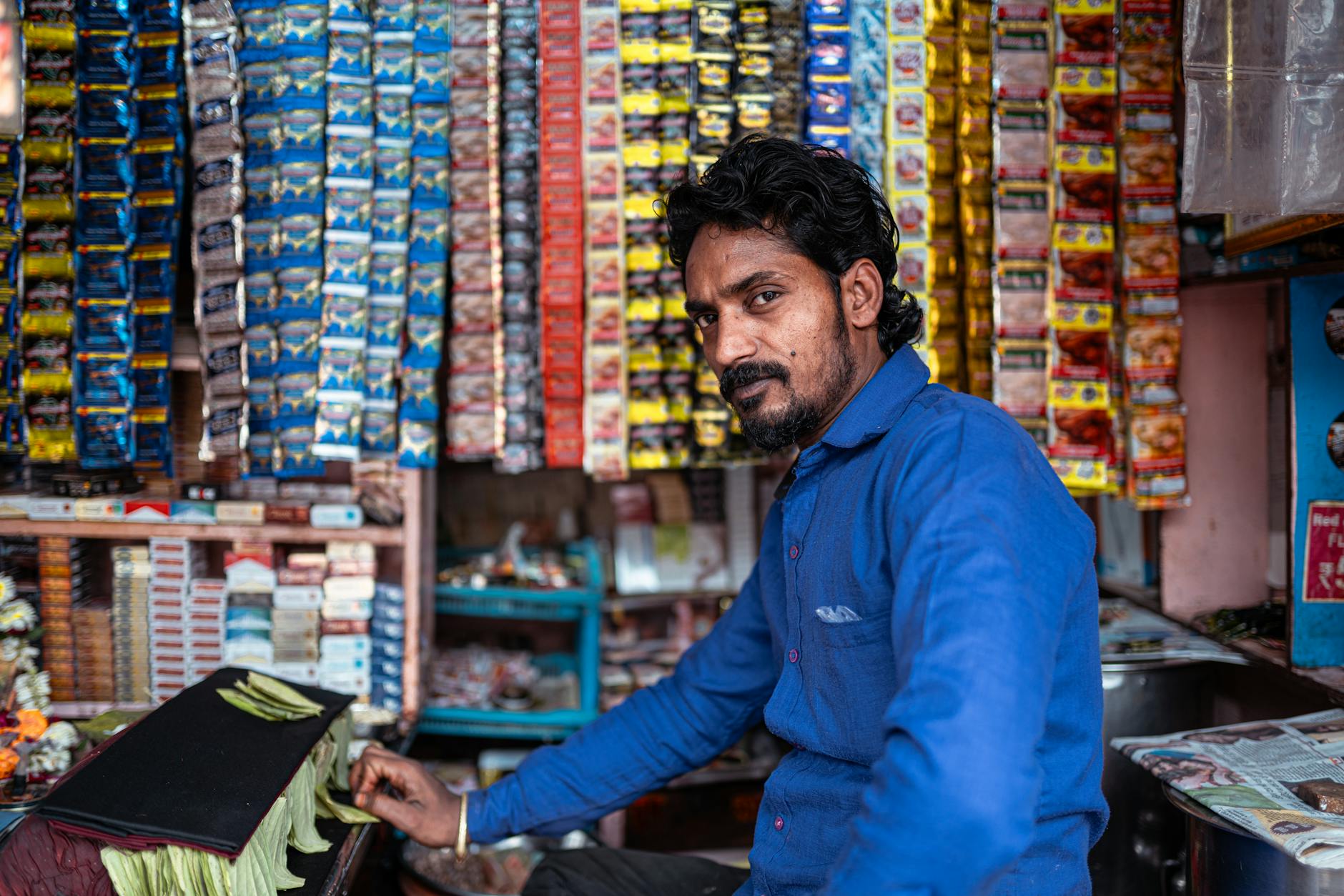
You never know how strong your community is until you need it most. Last winter, when my family faced the unthinkable—losing our teenage daughter in a car accident just before Christmas—I discovered something beautiful about the small businesses that make up the backbone of our suburban neighborhood. They didn’t just serve us as customers; they wrapped us in love like an extended family.
When Main Street Becomes Family Street
The morning after we got the call, I found myself standing in Peterson’s Hardware, staring blankly at a wall of screws, trying to remember what I’d come in for. Tom Peterson, the owner, took one look at me and quietly led me to his office in the back. He didn’t ask questions—he already knew from the neighborhood grapevine. He just handed me a cup of coffee and sat with me while I fell apart.
“You don’t worry about anything this week,” he told me. “Whatever you need—lightbulbs, extension cords for the extra guests, anything—just call. We’ll bring it over.”
That’s what shopping local looks like when life gets real. Tom wasn’t just selling me hardware; he was holding up a neighbor who couldn’t stand on his own.
The Diner That Fed Our Hearts
Mary’s Family Diner on Elm Street became our unofficial headquarters that week. When relatives started arriving from out of state, when friends didn’t know how else to help, they all seemed to end up at Mary’s. The owner, Mary Kowalski, somehow managed to keep a steady stream of comfort food flowing to our house without us ever placing an order.
“Honey, you’ve got enough to worry about,” she told my wife when we tried to pay for the third delivery of soup and sandwiches. “This is what neighbors do.”
The teenagers who work there—kids who went to school with our daughter—quietly pooled their tip money to help cover the cost of flowers for the service. These weren’t corporate executives making charitable donations; these were high school kids making eight dollars an hour who understood that sometimes you give what you have because it’s the right thing to do.
More Than Just Business
Over the following weeks, I started noticing things I’d never paid attention to before. Jim at the corner barber shop had quietly canceled appointments to attend the memorial service. Sarah from the flower shop had worked through the night to create arrangements that perfectly captured our daughter’s love of sunflowers—and refused to let us pay full price.
The team at Murphy’s Market, where our daughter had her first job bagging groceries, set up a memorial fund right there at the checkout counter. Not because corporate headquarters told them to, but because they remembered a bright-eyed kid who always said “thank you” and meant it.
What the Big Box Stores Can’t Give You
You can’t get this kind of care from a chain store or an online retailer. When you shop at businesses where the owner knows your kids’ names, where the employees remember your usual order, where your family’s story becomes part of the fabric of the place—that’s when commerce becomes community.
I think about all those Saturday mornings I’d driven past our local coffee shop to hit the drive-through at the chain place because it was faster. I think about the times I’d ordered household items online instead of walking into Peterson’s Hardware. Those weren’t just shopping decisions; they were choices about what kind of community I wanted to be part of.
Building Something Beautiful Together
What struck me most wasn’t just the generosity—it was the way these business owners saw caring for our family as part of their mission. Tom Peterson told me later, “When I opened this store twenty-three years ago, I didn’t just want to sell hammers and paint. I wanted to be part of people’s lives, their projects, their dreams. That includes being there for the hard times too.”
This is what small business ownership looks like at its finest—people who understand that their success is woven into the fabric of their neighbors’ lives. They know that a thriving community means everyone looking out for everyone else.
The Ripple Effect of Caring
Months later, I’m still discovering ways our local business community stepped up. The printing shop donated programs for the memorial service. The local landscaping company quietly maintained our yard when we couldn’t manage it. The family-owned pharmacy made sure we never had to worry about picking up prescriptions during those overwhelming first weeks.
But here’s the thing that really gets me—none of this was organized or coordinated. There was no committee, no phone tree, no social media campaign. It was just people who cared about their neighbors doing what felt right.
Paying It Forward
This experience changed how our family thinks about where we spend our money. Every dollar we spend locally isn’t just a transaction—it’s an investment in the kind of community we want our remaining kids to grow up in. It’s a vote for businesses that know your name and care about your story.
We’ve started being more intentional about supporting these businesses, not just when we need them, but because we want them to be there for the next family facing a crisis. We’ve learned that the extra dollar you might spend at the local bookstore or the extra five minutes it takes to shop at the neighborhood market—that’s not just supporting a business, it’s building a safety net for your entire community.
What Your Family Can Do
You don’t have to wait for tragedy to discover the heart of your local business community. Start building those relationships now:
- Make it a family tradition to visit local shops on Saturday mornings
- Get to know the owners and employees by name
- Choose local businesses for special occasions and celebrations
- Leave positive reviews and refer your friends
- Remember that behind every small business is a family trying to make it work
The Long View
A year later, our family is healing, and our community is stronger. The businesses that carried us through our darkest days are thriving because more neighbors have discovered what we learned—that shopping local isn’t just about getting what you need, it’s about building the kind of place where families take care of each other.
Tom Peterson still asks about our family every time I stop in. Mary still sends soup when she hears someone in the neighborhood is struggling. And our kids have learned that the true measure of a community isn’t found in its shopping centers or chain restaurants—it’s found in the small businesses where people know your story and choose to be part of it.
That’s the kind of Main Street magic that makes suburban life beautiful. That’s what happens when business becomes family, and neighbors become the safety net that catches you when you fall.