How to Talk to Your Kids About Safety and Security in Today's World
Practical guidance for suburban families navigating conversations about safety, security, and current events with children of all ages.
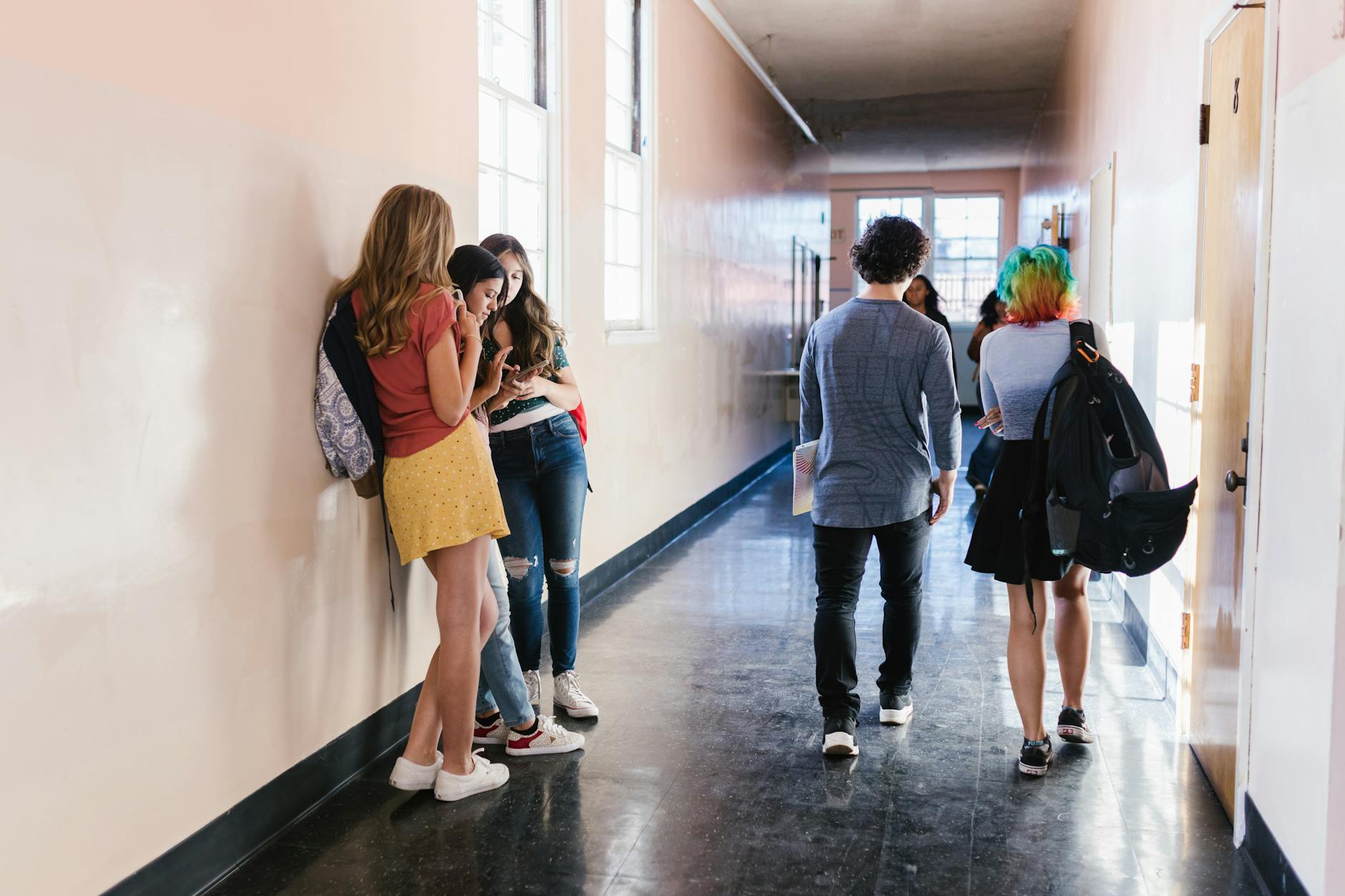
As parents, we want our children to feel safe and secure while also preparing them for the realities of the world around us. It’s a delicate balance — one that many of us are navigating as we watch the news, attend school board meetings, and chat with other parents at soccer practice.
I’ve been covering community safety issues for over a decade, and I’ve learned that informed families are resilient families. Here’s what you need to know about having age-appropriate conversations with your kids about safety and security, without creating unnecessary fear.
Start With What They Already Know
Your children are already absorbing information about safety and security — from school lockdown drills, conversations they overhear, and snippets of news. The key is to be the one providing context and reassurance.
I checked with Dr. Sarah Martinez, a child psychologist who works with several of our local school districts, and here’s what she told me: “Kids fill in gaps with their imagination, which is often scarier than reality. When parents provide factual, age-appropriate information, it actually reduces anxiety.”
Start by asking what they’ve heard or what questions they might have. You might be surprised by how much they’re already processing.
Age-Appropriate Approaches That Work
Elementary School (Ages 5-10) At this age, focus on the helpers and the systems in place to keep them safe. Talk about police officers, firefighters, teachers, and school security measures as people whose job it is to protect families like yours.
“We have lots of people whose job it is to keep our neighborhood safe,” you might say. “Just like how Daddy goes to work to help his company, these people go to work to help keep our community secure.”
Middle School (Ages 11-13) Tweens can handle more specific information but still need reassurance. This is when you can introduce concepts like homeland security in simple terms — explaining that our country has people whose job it is to watch for problems before they happen.
“You know how we have smoke detectors in our house? Our country has people who work like smoke detectors for the whole nation, watching to make sure everyone stays safe.”
High School (Ages 14-18) Teenagers can engage in more sophisticated discussions about current events, policy, and civic responsibility. This is your opportunity to model critical thinking and discuss how security measures affect daily life.
Building Security Awareness Without Fear
As someone who walks these streets and attends every school board meeting, I’ve seen how effective communication can build awareness without creating panic. Here are strategies that work:
Focus on Preparedness, Not Threats Instead of discussing specific dangers, emphasize the importance of being prepared and aware. Just like we practice fire drills and tornado drills, we can talk about why schools practice safety procedures.
Highlight Community Strengths Our suburban communities are incredibly resilient. Talk about the networks of safety we have — from neighborhood watch programs to school resource officers to emergency response systems.
Emphasize Personal Agency Help your kids understand what they can do to contribute to safety. This might include:
- Following school safety procedures
- Being aware of their surroundings
- Knowing who to talk to if something seems wrong
- Understanding the importance of reporting concerns to trusted adults
The Role Schools Play in Security Education
I’ve spoken with principals across our district, and here’s the reality: schools are more prepared than ever before. They’ve invested in training, technology, and partnerships with local law enforcement.
Many schools now include security awareness as part of their curriculum, teaching kids to be alert but not afraid. If you’re curious about what your school is doing, attend a PTA meeting or schedule time to speak with the principal. Most are happy to discuss their safety protocols with parents.
Current Events and Family Discussions
When news stories about security issues come up — whether it’s border security, terrorism concerns, or local safety incidents — use them as teaching moments rather than sources of worry.
Here’s my approach: acknowledge the situation, explain what’s being done about it, and connect it back to your family’s values and safety practices.
“Yes, there are people working to make sure dangerous people don’t come into our country. That’s why we have border security and other safety measures. It’s like how we lock our doors at night — it’s just being smart and careful.”
Teaching Civic Responsibility
One of the most important lessons we can teach our children is that security is everyone’s responsibility. This doesn’t mean living in fear — it means being good citizens who care about their community.
Encourage Community Involvement
- Attend local government meetings as a family
- Volunteer for community safety initiatives
- Participate in neighborhood events that build connections
- Support first responders and military families in your area
Model Good Citizenship Show your kids what it means to be engaged citizens who care about security and safety issues. Vote in local elections, stay informed about school security measures, and maintain relationships with neighbors.
When Kids Have Specific Worries
Sometimes children develop specific fears about security threats. Here’s what child development experts recommend:
- Listen without dismissing their concerns
- Provide factual information appropriate to their age
- Focus on all the people working to keep them safe
- Maintain normal routines and activities
- Seek professional help if anxiety interferes with daily life
Resources for Families
Many communities offer resources for families navigating these conversations:
- School counselors trained in crisis communication
- Community safety presentations
- Age-appropriate books about safety and security
- Local law enforcement community outreach programs
I’ve found that families who engage with these resources feel more confident and prepared.
Building Resilient Families
At the end of the day, our goal isn’t to shield our children from reality — it’s to help them become resilient, informed citizens who can contribute to the safety and security of their communities.
This means raising kids who understand that freedom and security go hand in hand, who appreciate the people who work to keep us safe, and who are prepared to do their part as they grow up.
Remember, every generation of parents has faced security challenges. What makes the difference is how we respond — with wisdom, courage, and a commitment to raising children who can handle whatever comes their way. In our neighborhoods, with our schools, and in our families, we’re building the foundation for a safer, stronger future.