Early Spring Weed Prevention Tips for Your Yard
Get ahead of weeds this season with early spring steps like gentle cleanup, pre-emergent herbicides, and smart lawn care before warm weather arrives.
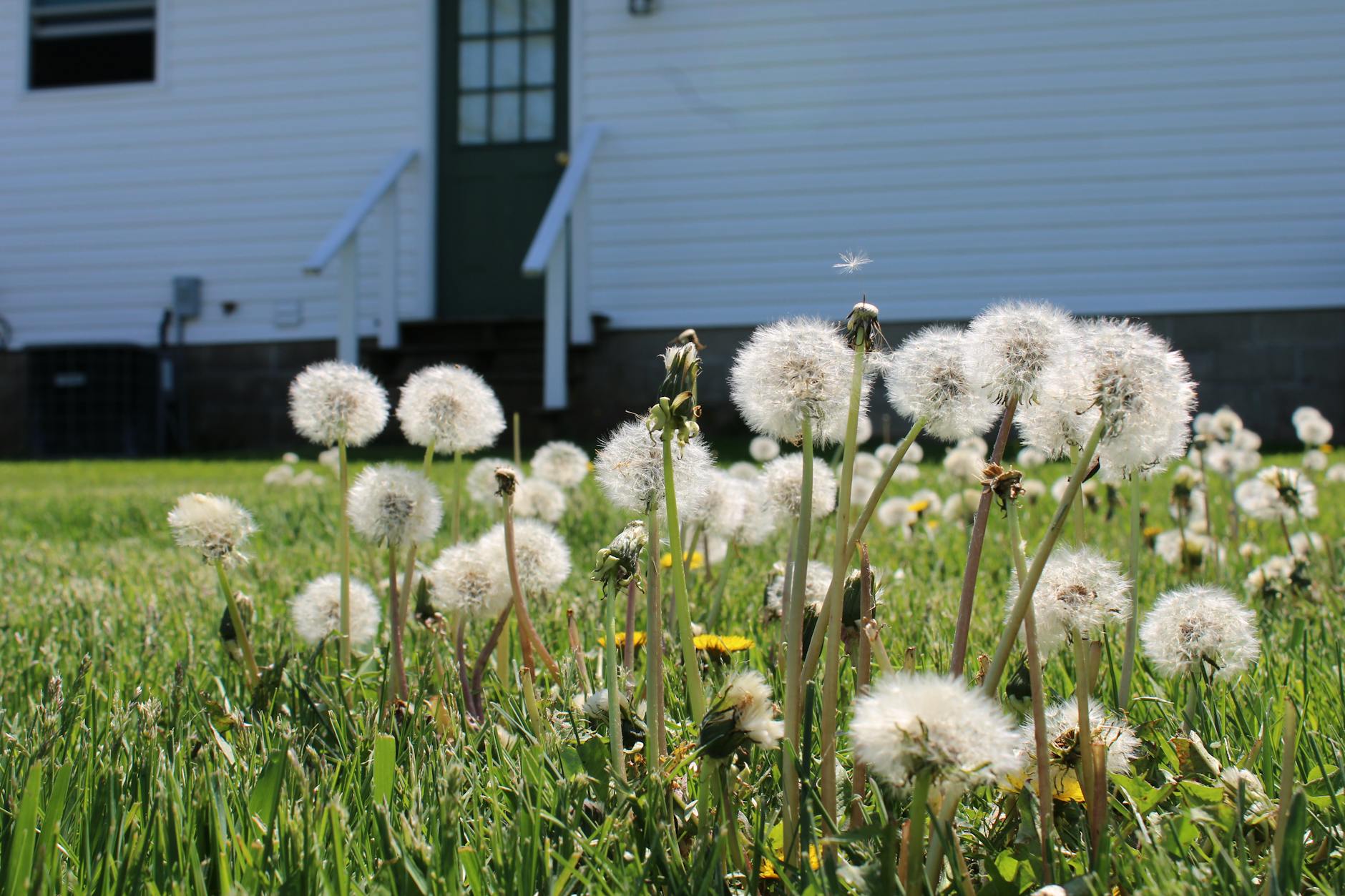
Three months from now, your lawn is either going to look sharp or you’re going to be cursing dandelions every time you back out of the driveway. The difference gets made right now, before the heat arrives.
Most homeowners don’t touch the yard until June. By July, they’re battling weeds that had three months of unchecked root development. That’s a losing position. A few hours of work in early spring, though, and you’re set through June, July, and August.
Start with Winter Cleanup
Here’s what winter left in your yard: leaf piles rotting against the fence, dead stalks from last year’s perennials, broken sticks, and soggy organic debris that’s been collecting since October. None of it is doing your lawn any favors. Clear it out first.
One thing to watch. Most people grab a rake and go hard on the lawn. Don’t. Rob Palmer of Lawn Squad specifically warns against aggressive raking in spring. “Raking can damage the softer turf tissue and disturb the soil, making it an ideal home for weeds to germinate,” Palmer said. Clean up the debris, sure. But treat the actual lawn grass with a light touch, not like you’re sanding a floor.
Trim dead foliage off perennial plants and shrubs while you’re at it. Before the temperatures climb into the 70s is the comfortable window for that kind of work.
Pre-Emergent Herbicides Are Your Best Friend
This is the step that separates the yards that look effortless all season from the ones that don’t. Pre-emergent herbicide lays down a chemical barrier in the soil that stops weed seeds from ever establishing roots. Miss the timing, and the whole product is wasted. It can’t kill weeds that are already growing. It only works on seeds that haven’t germinated yet.
Wait until your soil temperature reaches 50 degrees Fahrenheit. You can find soil temperature readings online for most zip codes, or pick up a cheap soil thermometer at any hardware store. Once you’re there, load up a broadcast spreader and apply granular pre-emergent across dry grass. Then water the lawn within 48 hours. That watering step isn’t optional. It’s what activates the product and drives it into the soil layer where weed seeds are sitting.
Palmer explains exactly how it works: “As the weed first germinates and emerges from the seed, the new plant roots begin to take up the pre-emergent product in this barrier layer, killing the plant before it can grow any larger,” Palmer said.
One application handled correctly can carry your yard through the full growing season. Turfgrass management specialists back this up, and Family Handyman has covered the timing question in depth for suburban homeowners who want a practical breakdown.
Refresh Your Mulch
For the beds around your shrubs and perennials, fresh mulch is the lowest-effort, highest-return move you can make. A layer between 2 and 3 inches deep cuts off sunlight to weed seeds sitting in the soil underneath. No light reaches them. They don’t sprout. It’s that straightforward.
Don’t pile it thicker than 3 inches, though. Here’s what happens when you do: moisture gets trapped, mold develops, and plant crowns start to rot. That’s more damage than any weed would’ve caused. Keep it at the 2 to 3-inch mark and your beds will stay clean, hold moisture, and look sharp without you touching them again until fall.
This is actually a good project to get kids involved in. Wheelbarrow work and spreading mulch don’t require any skill, they’re physical enough to feel productive, and the results are visible immediately. Kids respond to that.
The Window Is Short
Spring doesn’t stay cool for long around here. Once temperatures climb and weed seeds start moving, the pre-emergent window closes and you’re back to reactive work. The whole point of doing this now, before anything’s visibly wrong, is that you’re working with the season instead of against it.
One Saturday morning of cleanup and product application, and you’re not thinking about weeds again until October.