When to Replace Your Toilet Seat: Key Signs to Watch For
Experts say toilet seats need replacing more often than you think. Learn how long they last and the signs it's time for a new one.
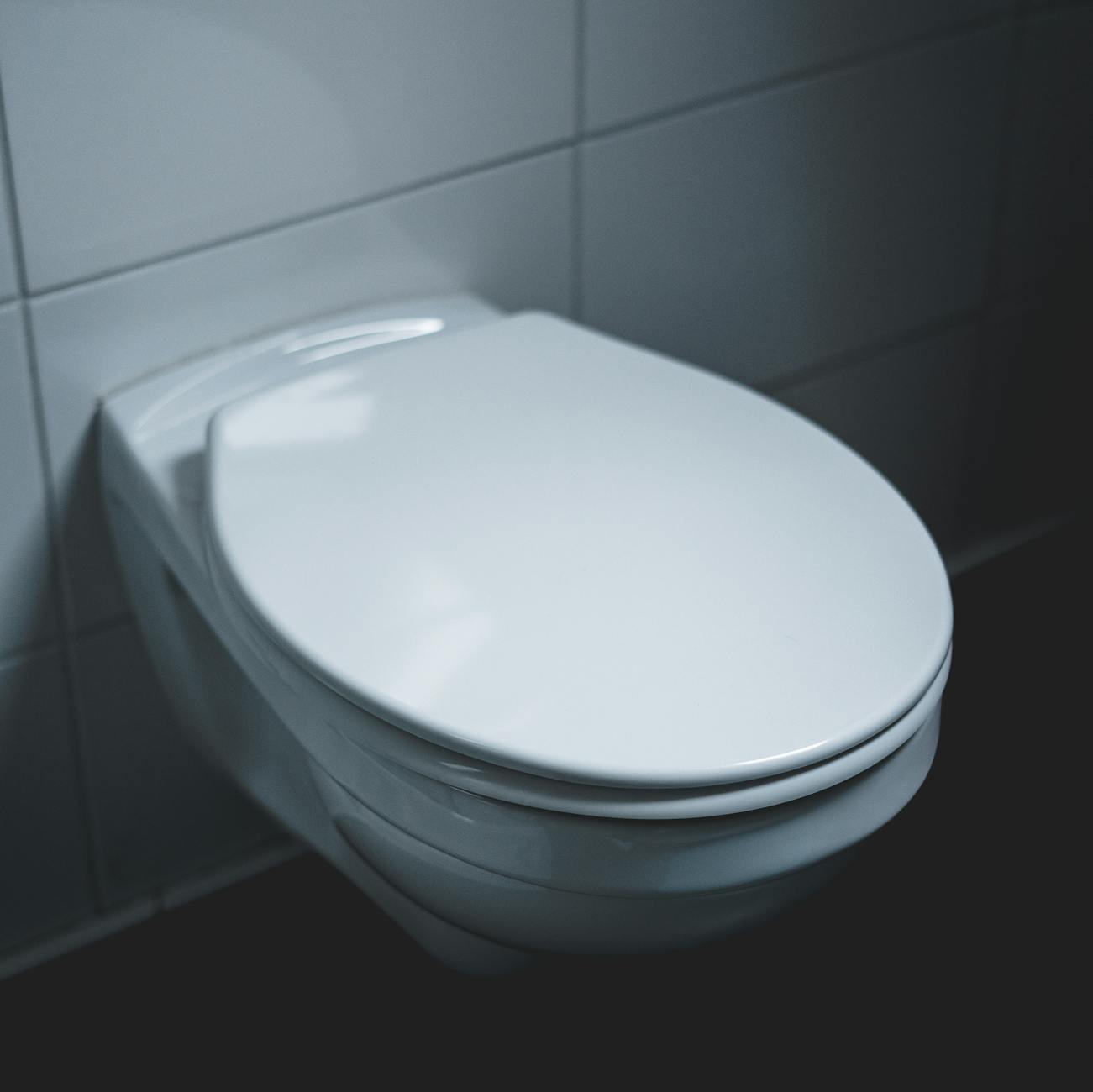
Most people replace their toilet seat roughly never. That’s not a knock — it’s just not the kind of thing that makes anyone’s mental checklist until something goes visibly wrong. But according to cleaning expert Stephanie Leichtweis, waiting for visible wrong is already too late. “Toilet seats are one of the most used but most overlooked items in the bathroom when it comes to routine replacement,” she said. “But even small cracks or surface wear can make the seat harder to fully clean over time.”
That second sentence matters more than it sounds. Cracks don’t have to be big to cause problems. Hairline fractures in a plastic surface create pockets where bacteria and moisture settle in, and no amount of spray cleaner reaches that deep. You’re cleaning what you can see, not what’s actually living in the seat.
So what’s a reasonable lifespan? Depends entirely on the material.
Your standard polypropylene or thermoplastic seat, the kind that comes installed in probably three-quarters of suburban bathrooms, holds up for somewhere between five and seven years before micro-cracking becomes a real issue. Harder materials like Duroplast or ceramic push that out to around ten years. Wooden seats, despite what they cost and what they look like, tap out in two or three years. That’s a rough return on the upgrade price.
Home cleaning expert Isabella Flores is direct about which category causes the most concern hygienically. “Foam or cushioned toilet seats are the most hygienically compromised,” she said. They don’t need to look deteriorated to be a problem. Flores recommends swapping them out before visible wear appears, not after.
Several things accelerate the timeline that most homeowners don’t account for.
Slamming. Seats without slow-close hinges absorb a hard impact every single time the lid drops, and that repeated force creates fractures in the material before the surface shows any obvious signs. Bleach-based cleaners are a major factor too. They cut through grime effectively in the short term, but they degrade the surface coating on plastic seats over months and years of regular use. Direct sunlight coming through a bathroom window compounds the damage, breaking down the material and fading the finish. And households with heavy daily traffic should mentally subtract a year or two from any estimate they’ve read.
“Plastic hinges tend to become brittle with time, causing sudden cracking versus gradual deterioration,” she said. That distinction matters because you won’t always get a warning before a hinge fails completely.
Cost is a real variable here. “Lower-priced plastic toilet seats also have a shorter life span compared to middle and upper tier options,” Flores said. Spending an extra $20 to $40 at the point of purchase tends to extend the replacement cycle considerably. The math on a $15 seat that needs replacing every three years versus an $80 seat lasting a decade isn’t complicated. Here’s how to run that calculation yourself: frequency of replacement multiplied by unit cost, and the cheaper option usually loses.
Family Handyman lays out the specific warning signs worth checking during any bathroom cleaning routine. The U.S. Centers for Disease Control and Prevention has documented how surface cracks in bathroom fixtures can harbor pathogens that standard cleaning won’t fully address.
Those signs include cracks or chips in the seat surface, even shallow ones. Once the material is compromised, urine and bacteria work their way into the seat itself, and that’s not a cleaning problem anymore. It’s a replacement situation.
Yellowing that doesn’t respond to bleach or scrubbing is another clear indicator. If Those stains are still there after a thorough cleaning, the surface coating has broken down. That’s a hygiene concern, not a cosmetic one.
A wobbly seat is worth investigating. Tighten the hinge bolts first. If it’s still shifting, or if the hardware looks rusted or the plastic looks stressed around the mounting points, it’s done. “Plastic hinges tend to become brittle with time, causing sudden cracking versus gradual deterioration,” she said — which means by the time the hinge fails, you’re past the point where tightening bolts helps anything.
The seat that’s been in your guest bathroom since 2014 probably isn’t fine.